How Many Security Cameras Do You Actually Need?
This is one of the most common questions we get, and the honest answer is
that it depends on your property and what you want to see. We plan around
your layout, not a sales target, so you are not paying for cameras you do
not need.
Short answer: Most Brampton homes are well covered with
about 4 to 6 cameras, while businesses often need more depending on
entrances, blind spots and the areas they want recorded. Your exact count
depends on property size and layout.
Camera Coverage Guide for Homes
| Property Type |
Often Used |
Typical Priority Areas |
| Townhome or small home |
Usually 2 to 4 cameras |
Front entry, back door, driveway |
| Standard detached home |
Often 4 to 6 cameras |
Front, back, both sides, garage, driveway |
| Larger or corner property |
Often 6 to 8 cameras or more |
Full perimeter, all entries, blind spots |
These are general guides, not fixed rules. A long driveway, a corner lot
near a street like Bovaird Drive or Queen Street, or extra side gates can
change the number.
Camera Coverage for Businesses & Commercial Units
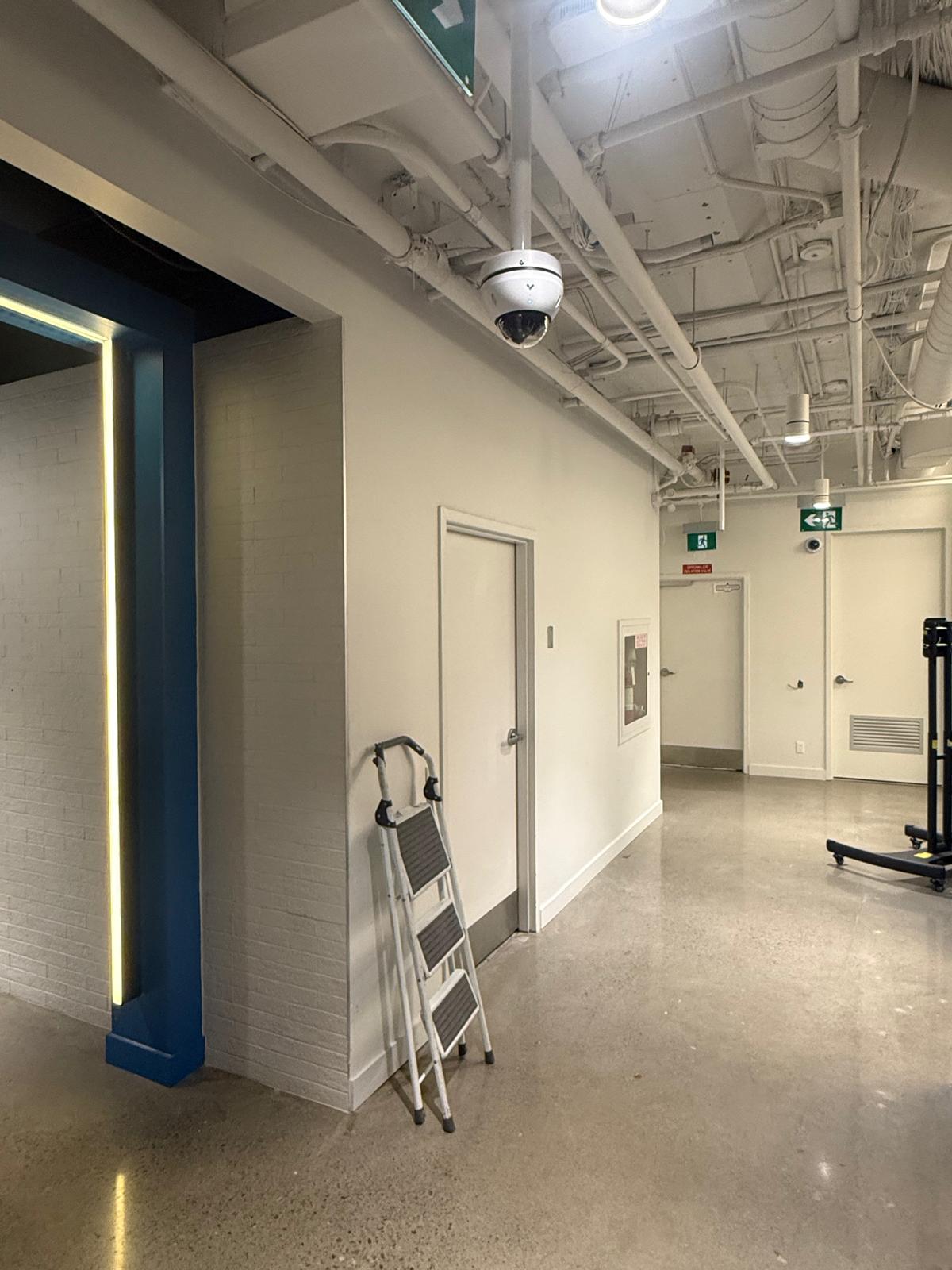
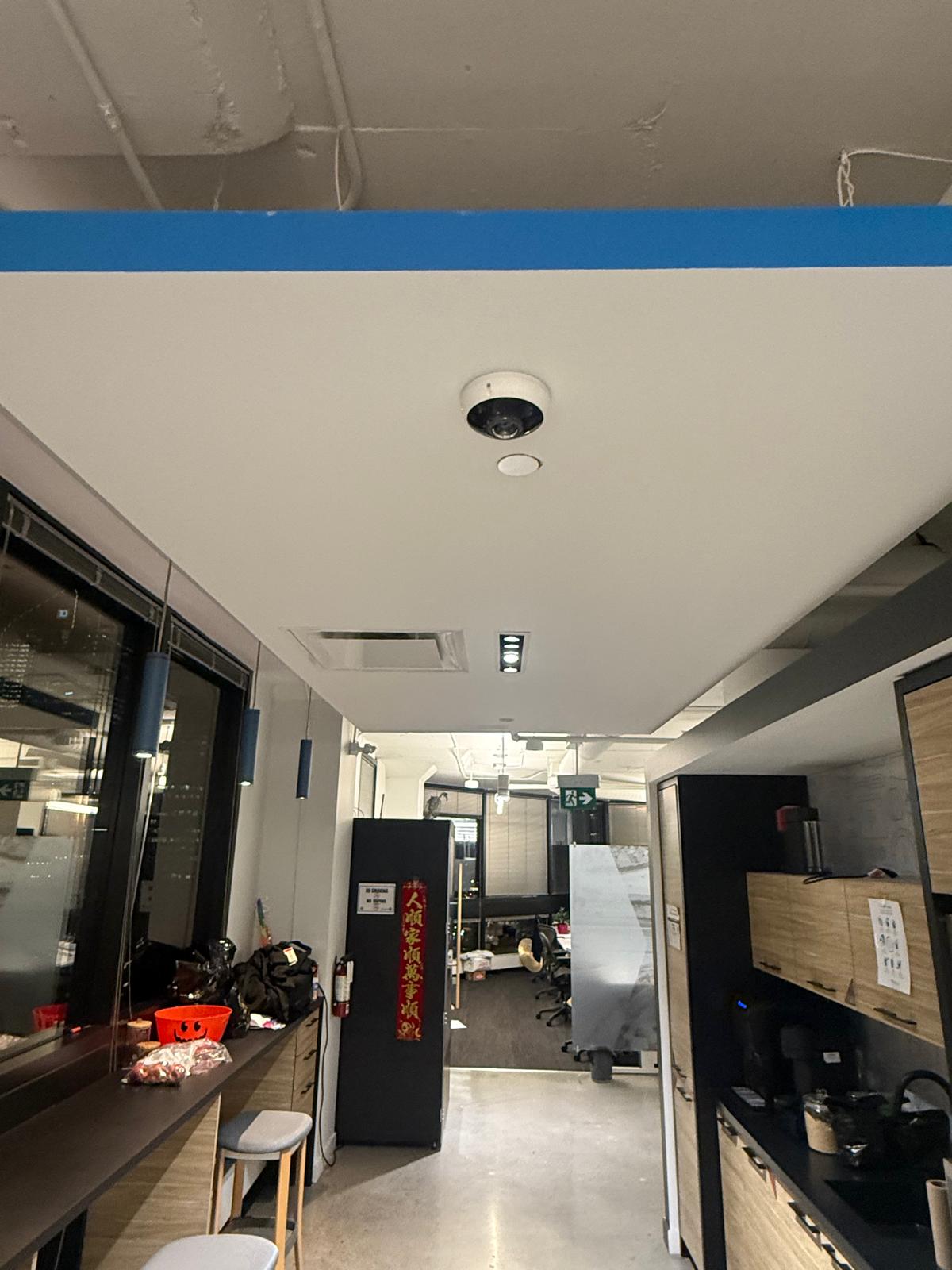
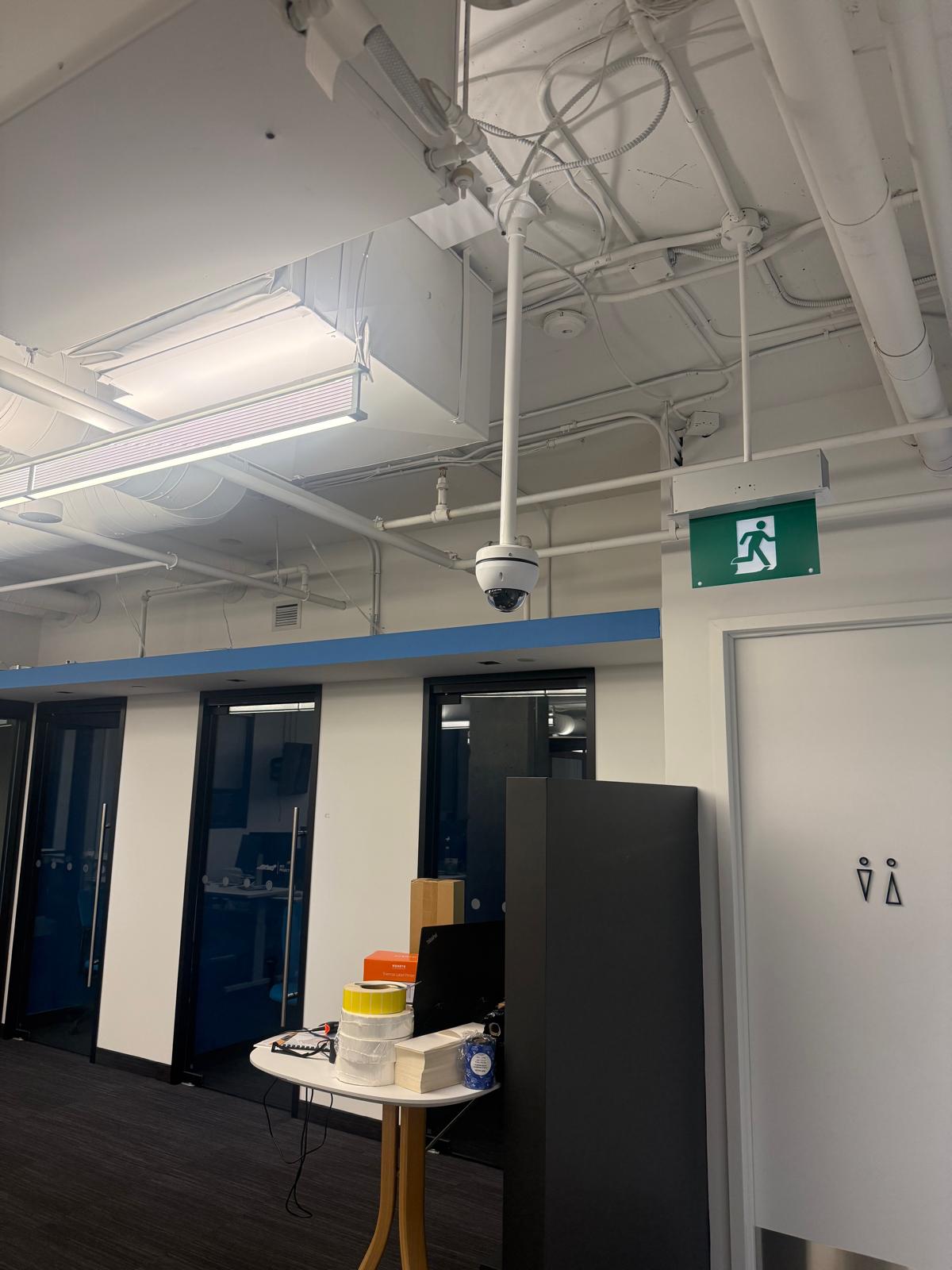
Commercial coverage usually centres on entrances, the cash counter or
reception, stock rooms, loading areas and parking. A small retail unit may
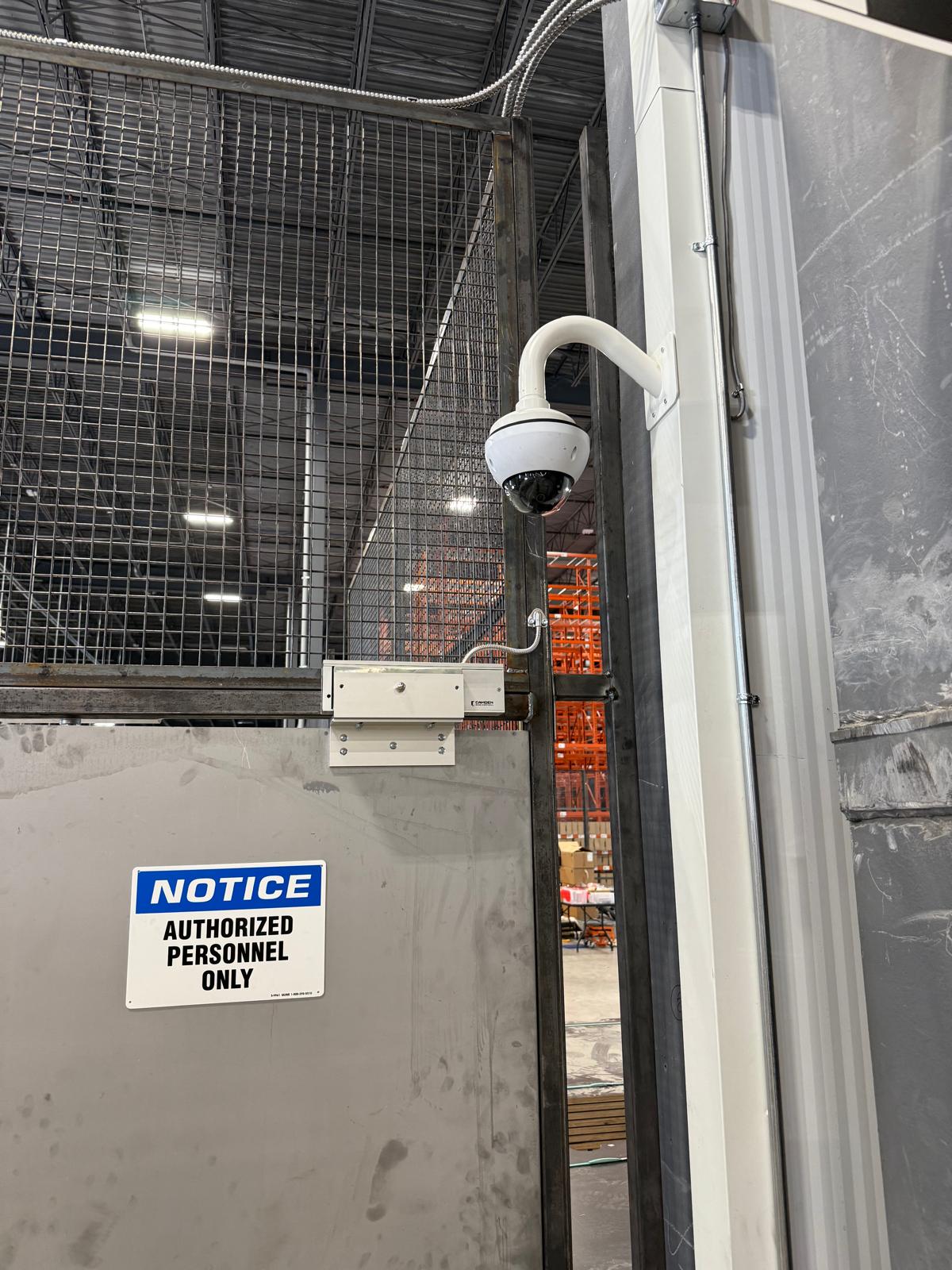
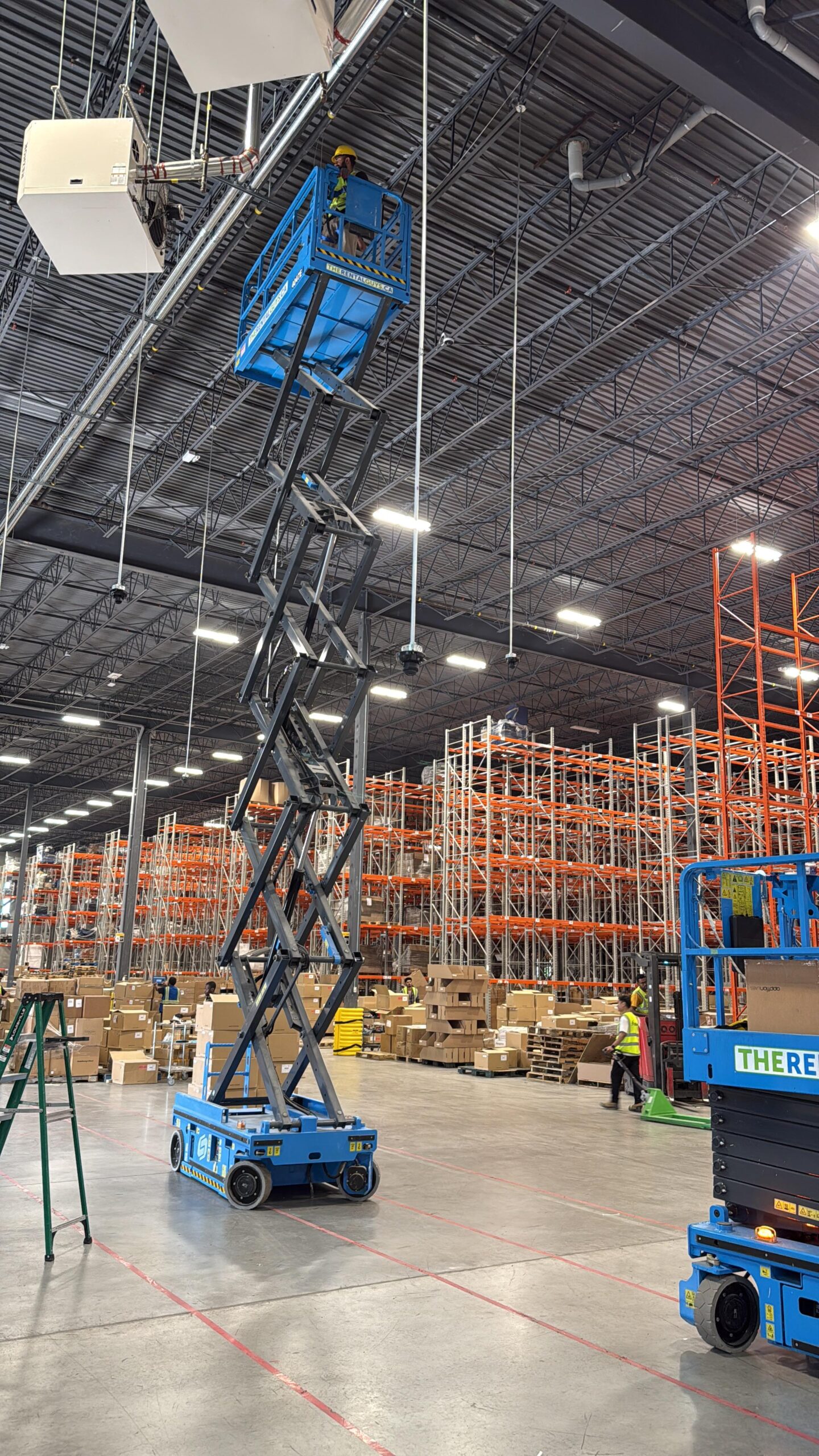
need a handful of cameras, while a warehouse with multiple bay doors often
needs more to cover every approach.
The Key Areas Most Brampton Properties Should Cover
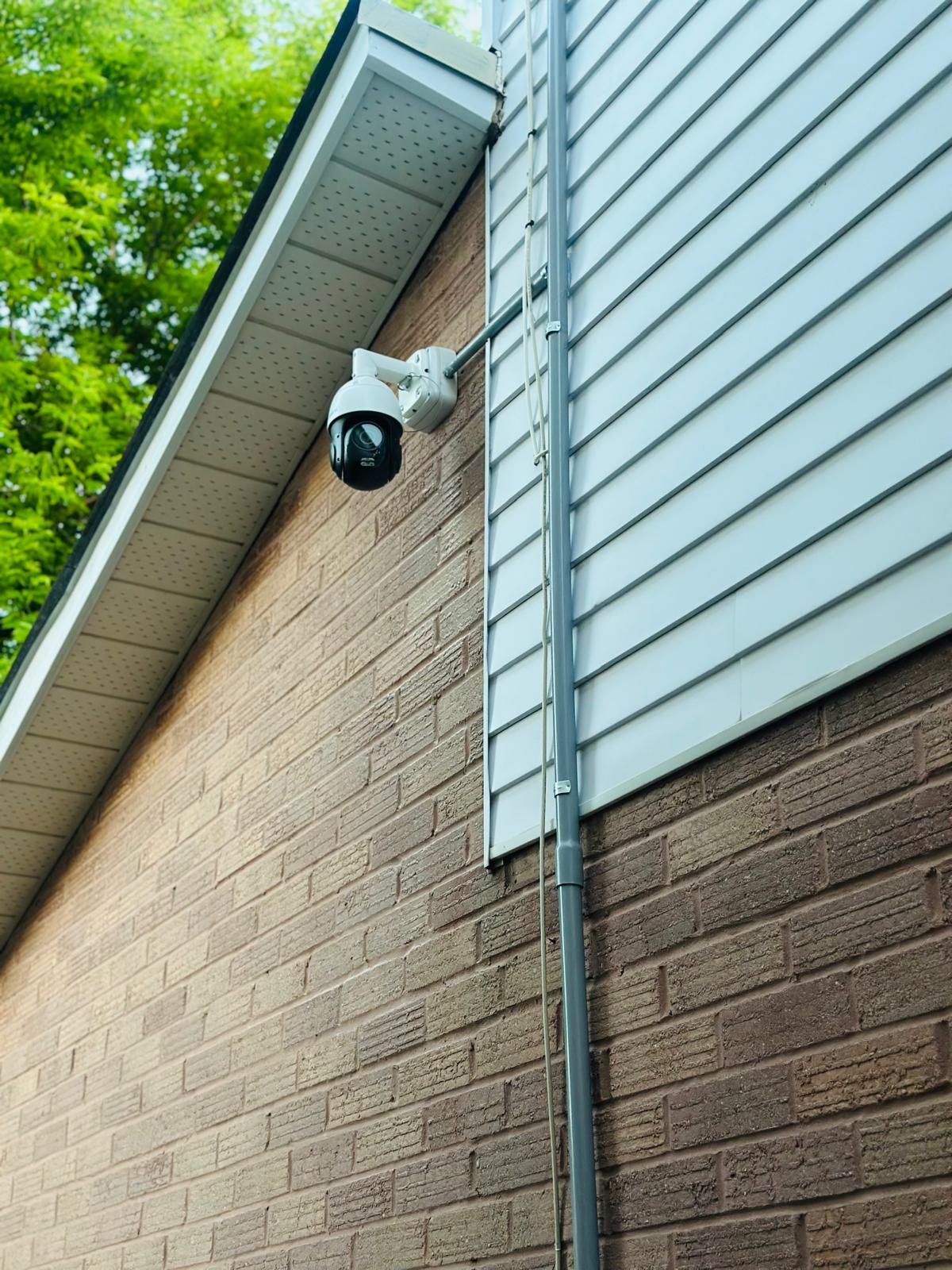
For homes, focus on the driveway, front entry, back access, side access,
garage and any alley. For businesses, prioritize the front entry, cash
counter, reception, stock room, loading area, warehouse doors and the
parking area. We point this out during the assessment so nothing important
is left as a blind spot.